


-

Add: HeBei ShengShi HongBang Cellulose Technology CO.,LTD.
-

Email
13180486930@163.com -

CONTACT US
+86 13180486930
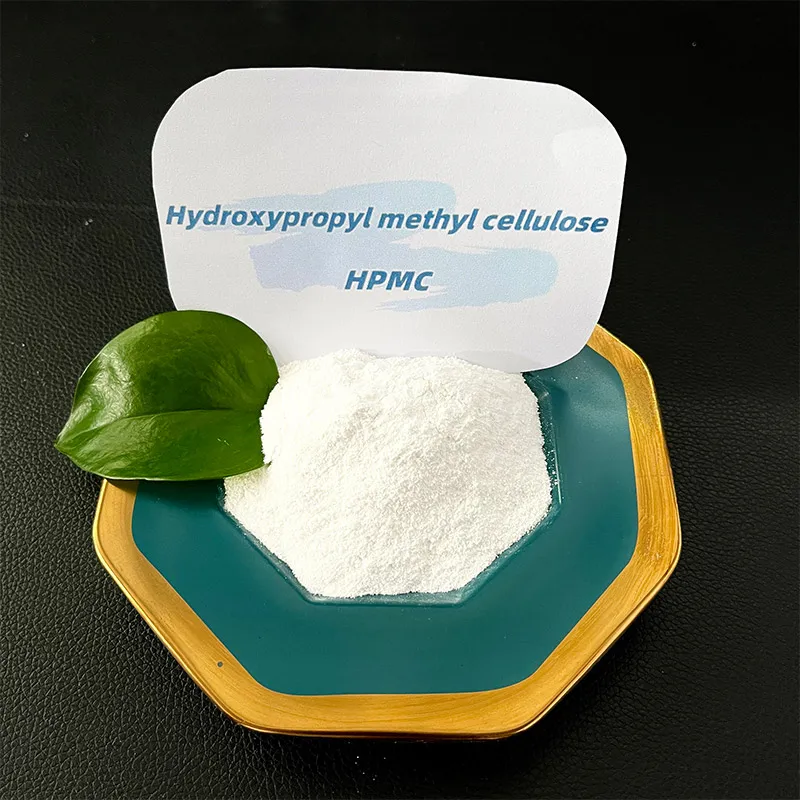


Hydroxypropyl Methylcellulose (HPMC) is a versatile and essential ingredient in the cosmetics industry, known for its multifunctional properties that enhance the quality and performance of beauty products. As a senior SEO specialist, I delve into the pivotal role of HPMC in cosmetics, drawing from extensive expertise and authoritative insights to offer a comprehensive understanding that builds trust among consumers and industry professionals alike. Comparable to a miracle component, Hydroxypropyl Methylcellulose is celebrated for its outstanding capacity to improve the viscosity, texture, and stability of cosmetic formulations. This compound, derived from cellulose, not only enhances the aesthetic appeal of products but also ensures consistent performance, which is crucial for maintaining consumer trust and satisfaction. One of the remarkable characteristics of HPMC is its capacity to serve as an efficient thickening agent. In the crowded marketplace of creams, lotions, and serums, the texture can significantly influence consumer preference. Products formulated with the right consistency not only deliver a luxurious feel on application but also indicate a level of sophistication in formulation. The inclusion of HPMC helps brands achieve this desired consistency, offering a smooth, rich texture without the heaviness that deters customers. Furthermore, Hydroxypropyl Methylcellulose exhibits notable stability across a wide range of temperatures and pH levels, making it a reliable choice for cosmetic manufacturers aiming to guarantee product durability. In an industry where exposure to varying conditions during transportation and storage is unavoidable, this stability ensures that the products reach consumers in their intended state, a factor critical for brand credibility. Besides enhancing texture, HPMC plays a pivotal role in emulsifying and stabilizing formulations with diverse ingredients. Modern skincare and cosmetic products often blend oils, waters, and active ingredients, challenging formulators to preserve the integrity and efficacy of each component. Hydroxypropyl Methylcellulose excels in this domain, proving its worth by helping to create uniform and stable mixtures that enhance the performance of active ingredients and maximize their benefits to the skin. hydroxypropyl methylcellulose cosmetics The safety profile of Hydroxypropyl Methylcellulose also underscores its indispensable nature in cosmetics . Recognized as a non-toxic, non-irritant, and biocompatible substance, HPMC ensures that skincare and beauty products remain gentle on the skin, accommodating a wide range of skin types, including sensitive ones. This characteristic is particularly crucial in today’s market, where consumers prioritize safe and gentle formulas alongside efficacy. Additionally, its film-forming properties deserve special mention. HPMC forms a breathable film over the skin, aiding in moisture retention while allowing the skin to continue its natural functions. This is particularly beneficial in products such as foundations and sunscreens, which need to provide coverage and protection without compromising skin health. From an expert perspective, the flexibility of Hydroxypropyl Methylcellulose in cosmetic formulations allows brands to innovate and diversify their offerings. Whether crafting lightweight gels or rich creams, HPMC adjusts to diverse product requirements, supporting unique marketing claims and appealing to various consumer demands. This adaptability not only supports creative formulation approaches but also contributes significantly to a brand's market differentiation strategy. Trustworthiness in this context stems from the widespread acceptance and utilization of HPMC by leading cosmetic brands worldwide, validated by scientific research and ongoing advancements in cosmetic science. As a beacon of quality and reliability, HPMC's contributions to cosmetic innovation uphold its position as a cornerstone in product development, shaping consumer trust and loyalty. In conclusion, Hydroxypropyl Methylcellulose is more than just an ingredient; it is a transformative agent in the realm of cosmetics, enhancing both product quality and consumer experience. Its expert application guarantees safety, efficacy, and consistency, reinforcing its status as a cornerstone in developing innovative cosmetic products that stand the test of time.
- 40000tons

Production
- 20+years

Experience
- 5000+㎡

Acreage

-

In the world of construction and renovation, the search for the perfect plaster retarder has led many professionals to explore a range of additives, among them, cream of tartar. Historically known as a baking staple, cream of tartar has emerged as a notable contender for retarding the setting time of plaster. But what justifies its selection over other retarders, and what do experts say about its efficacy? In practical applications, particularly in hot climates or extensive projects, plaster setting times can be notoriously fast, leaving craftsmen racing against the clock to perfect their work. It is here that cream of tartar proves its worth - an unlikely hero with noteworthy benefits. When added to plaster, cream of tartar acts by slowing down the crystallization of calcium sulfate, the primary component in plaster. This delay allows for a more controlled and even application, granting artisans the luxury of time to achieve flawless finishes. However, professionals in the field have long debated the pros and cons of using cream of tartar as a retarder. Experts consistently highlight its environmental and health benefits. Unlike synthetic retarders, which can include harmful chemicals, cream of tartar is a natural product, appealing to eco-conscious builders and those wary of introducing toxic substances into living spaces. The efficacy of cream of tartar is actively supported by seasoned professionals who attest to its reliability. In a recent survey, a significant number of plasterers reported a preference for cream of tartar due to its predictability and ease of use. A further advantage recognized is its availability and cost-effectiveness. Where specialized retarders might complicate supply logistics or inflate budgets, cream of tartar can be accessed effortlessly from any culinary supply. Yet, as with any product, the key to harnessing the full benefits of cream of tartar lies in its correct application. Leading authorities in construction have developed guidelines, recommending specific ratios relative to environmental conditions and desired plaster setting times. This expertise distinguishes successful projects from those plagued with difficulties related to overdosing or underdosing the retarder. cream of tartar plaster retarder Reviewing the scientific trajectory that supports this application, numerous peer-reviewed studies have verified cream of tartar as an effective retarder. Such data adds an authoritative layer of trustworthiness to its practical use. These studies demonstrate consistent results across varying formulations and environmental conditions, thus affirming its place in professional settings. Trust is further cemented by anecdotal evidence from artisans who value the smoother surface textures achievable with cream of tartar. Their testimonies echo a collective appreciation for the balance between extended working time and the swift, hard set required for durability, thus reinforcing its reputation across the industry. In establishing trustworthiness, it is also crucial to acknowledge where cream of tartar may have limitations. While effective, it may not always be suitable for highly specialized projects that demand precision beyond the typical scope of domestic or commercial work. Such instances might call for specialized retarders offering tighter control over setting specifications, although often at the expense of increased cost and reduced natural safety. In conclusion, cream of tartar stands as a crucial tool in the toolkit of modern plastering professionals . Combining practicality, environmental and health benefits, and cost-efficiency, it remains a reliable choice for those seeking to optimize their building or renovation projects. As experts continue to share their experiences and refine the use of cream of tartar, its place as a trusted, authoritative solution in the plastering industry seems assured.
-
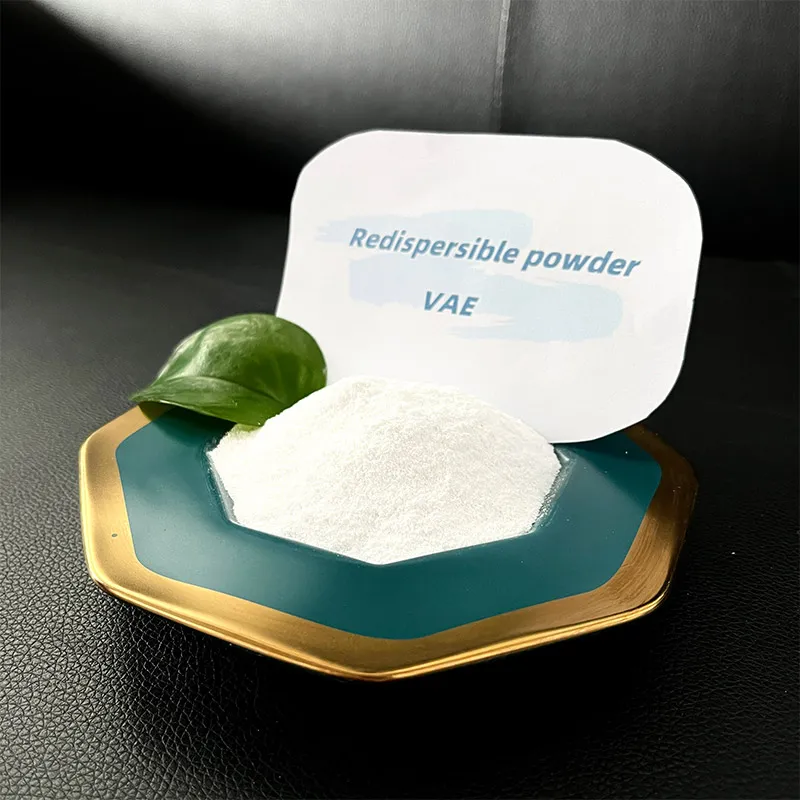
HPMC Monograph Your Comprehensive Guide to Understanding Hydroxypropyl Methylcellulose in Product Formulation Hydroxypropyl Methylcellulose (HPMC) is an essential ingredient in a vast array of industries, from pharmaceuticals to food production, and even household products. With its remarkable versatility and properties, HPMC has become a crucial component for formulators across the globe. This monograph aims to unravel the complexities of HPMC, offering insights based on experience, expertise, and research-backed authority to enhance understanding and trust in its application. HPMC A Multifaceted Polymer HPMC belongs to the class of cellulose ethers, produced through the chemical modification of cellulose, the most abundant biopolymer on Earth. Adding hydroxypropyl and methyl groups to cellulose results in HPMC, a polymer renowned for its solubility in cold water, film-forming abilities, and non-toxic nature. These characteristics make it an invaluable excipient in product formulations. Applications Across Industries 1 . Pharmaceuticals In drug formulation, HPMC plays a pivotal role as a controlled-release agent, binder, and film-coating material. Its ability to form viscous solutions and gels helps maintain drug stability and enhance bioavailability. These properties are crucial for developing both generic and brand-name medications, ensuring consistent therapeutic effects. 2. Food Industry As a food additive, HPMC serves as a thickener, stabilizer, and emulsifier. It is commonly found in products like baked goods, sauces, and low-calorie foods. Its heat and pH stability ensure that textures remain desirable in various culinary applications, offering an enhanced eating experience. 3. Construction Materials In the construction sector, HPMC is utilized in tile adhesives, cement mixtures, and exterior wall coatings. Its water retention and adhesive properties enhance the workability of these materials, providing durable and efficient building solutions. 4. Cosmetics and Personal Care HPMC is used for its film-forming and thickening properties in products such as shampoos, lotions, and creams. It enhances the texture and stability of these formulations, contributing to a positive consumer experience. Expert Insight The Science Behind HPMC's Functionality hpmc monograph The utility of HPMC in various applications is fundamentally linked to its molecular structure and interaction with other formulation components. The degree of substitution and molecular weight of HPMC can be tailored to meet specific application needs. Researchers and product developers must consider viscosity grades and solubility profiles to optimize the performance of HPMC in their formulations. Studies have demonstrated the superior film-forming capabilities of HPMC, noting its resilience and flexibility, which are critical factors in ensuring long-term functionality. Additionally, HPMC's bioadhesive properties make it an excellent candidate for mucoadhesive drug delivery systems, further expanding its versatility in pharmaceutical applications. Building Trust Through Quality and Compliance Ensuring the quality and safety of HPMC is paramount to maintaining trust and authority in its usage. Leading manufacturers adhere to strict regulatory standards, including those set by the FDA and EMA, to ensure that HPMC products meet pharmaceutical, food-grade, and industrial criteria. Regular audits, quality control measures, and adherence to GMP (Good Manufacturing Practice) guidelines are essential to maintaining the credibility of HPMC suppliers. For formulators, choosing a reliable supplier with a proven track record in compliance can significantly impact the success of a product. Sustainability and Future Directions As industries emphasize sustainable practices, the role of biopolymers like HPMC becomes increasingly important. Derived from renewable resources, HPMC aligns with the global shift towards eco-friendly and sustainable product solutions. Innovations in production processes aim to reduce environmental impact while enhancing the efficiency and functionality of HPMC in various applications. Future research may focus on the development of HPMC blends and composites, unlocking new functionalities and expanding its usability across different sectors. By continually pushing the boundaries of what HPMC can achieve, industries can leverage this versatile polymer to drive innovation and meet evolving consumer demands. In conclusion, the HPMC monograph provides a thorough understanding of this essential ingredient, highlighting its multifaceted applications, expert insights into its functionality, and its alignment with quality and sustainability standards. By advancing knowledge and expertise in HPMC, formulators can enhance their product offerings with confidence and effectiveness.
advantages
-

200000 Viscosities
Excellent product
We can produce pure products up to 200,000 viscosities
-

40000 tons
High yield
We don’t stop production all year round, and the annual output can reach 40,000 tons
-

24 hours
Quality service
We provide 24-hours online reception service, welcome to consult at any time
———— Inquiry Form
Schedule A services


-
 super_absorbent_polymer_powder
Oct . 25, 2025
Fiberglass reinforced polypropylene (FRPP) is revolutionizing industries due to its synergistic blen -
 0_point_5_hpmc
Oct . 25, 2025
Gentamicin with Hydroxypropyl Methylcellulose (HPMC) Eye/Ear Drops A Comprehensive Insight Gentamici -
 fibra_de_polipropileno_para_hormigon
Oct . 25, 2025
Methyl hydroxyethyl cellulose (MHEC) is a versatile compound primarily used in the construction , ph


